Skip to content

Proposed project · Early stage

Circular Economy & Innovation

An early-stage proposal to prioritise reusable industrial assets, with a planned operational base in Newport, Wales. This base is not confirmed or established.

This is a proposed project specification, not an operating R&D platform. The existing website supports email-based introductions only. No pilot achievements, grant award or registered company status are claimed.

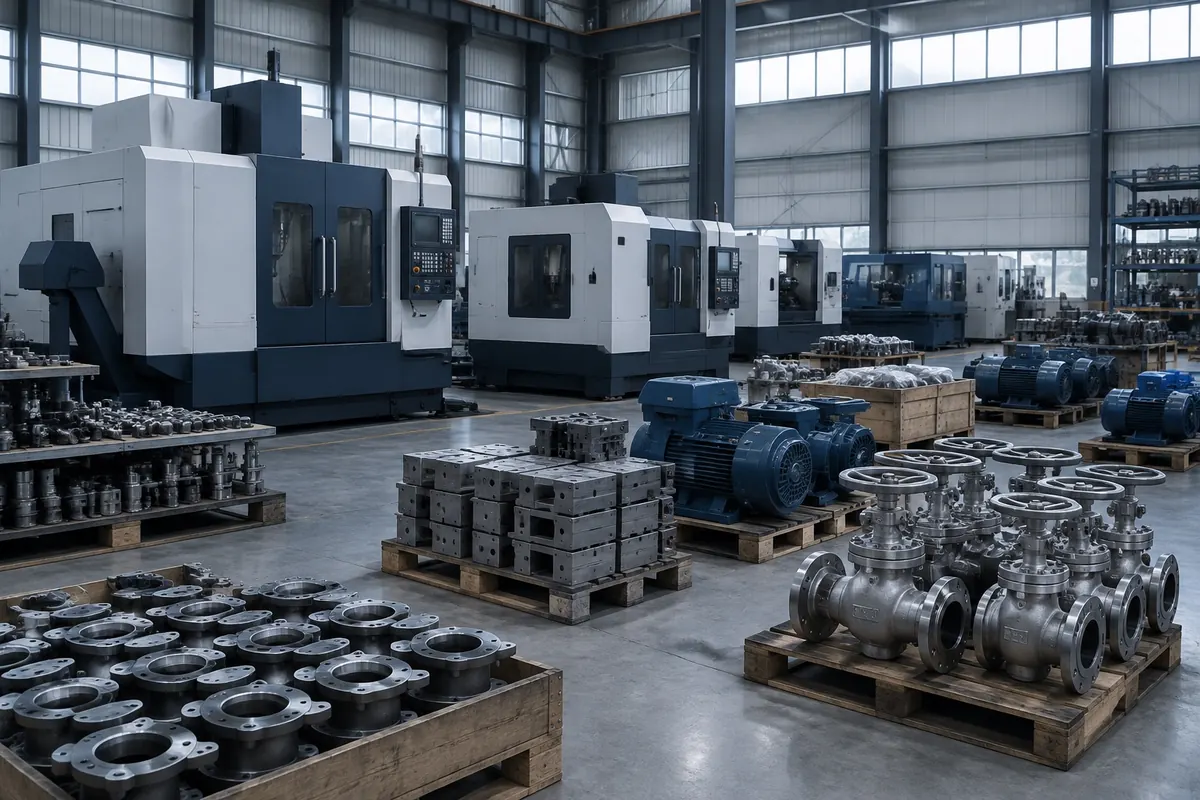
Warehouse floor with idle CNC machines, electric motors, steel valves and pallets of spare parts
Illustrative industrial assets — not owned stock or evidence of a completed pilot.

Planned R&D, distinct from today’s website

Structured asset taxonomy

Proposed research would organise asset categories, make/model, dimensions, standards, materials, condition, available quantity, location and supporting evidence into a consistent specification. Reusable machinery, parts and materials would take priority over disposal.

Specification-led matching and ranking

Proposed R&D would investigate matching requirements against specifications, location, condition and logistics constraints, with explainable suitability rankings. This is distinct from the current email-based website; no matching engine is being launched here and proprietary methods are not disclosed.

Human validation

A proposed pilot would require people to review compatibility, evidence quality, ownership and availability before a match is marked verified. Buyers and suppliers would remain responsible for inspection, safety, certification, contracts and final decisions.

Traceable reuse outcomes

A proposed record would link an asset reference, evidence source, match validation, transfer and confirmation of reuse. Commercial and personal details would remain private; any future collection or publication would need agreed permissions and appropriate data safeguards.

Proposed pilot milestones

  1. 1 · Define the pilot

    Identify willing industrial, research and logistics partners; agree scope, responsibilities, permissions, baseline evidence and measurement boundaries before work begins.

  2. 2 · Prepare a small evidence set

    Agree the asset taxonomy and sample specifications, document missing information and establish a manual comparison baseline. Timing and sample size are not yet committed.

  3. 3 · Evaluate proposed methods

    Subject to resources and partner agreement, compare proposed matching/ranking approaches with the manual baseline and record human validation and unsuccessful matches.

  4. 4 · Review reuse evidence

    Confirm transfers and actual reuse where evidence is available, calculate qualified metrics, review limitations with partners and decide whether a further pilot is justified.

Proposed metrics & measurement methodology

No results are reported. Any future pilot report would disclose its period, boundaries, evidence quality and exclusions.

Number of verified matches
Count unique buyer–asset matches with documented specification review and confirmation from both parties. Report introductions, verified matches, completed transfers and confirmed reuse separately; remove duplicates and exclude unverified leads.
Tonnes demonstrably diverted from disposal
Sum evidenced asset mass in kilograms and divide by 1,000 only where a documented disposal baseline and subsequent reuse confirmation support diversion. An offered or sold asset alone is not proof of diversion. Exclude unknown mass or unsupported disposal claims and report evidence coverage.
Transport distance
Record origin, destination, transport mode and actual route kilometres when available. Label route estimates separately, include relevant legs and disclose whether distance is measured or estimated rather than claiming that local matching always reduces travel.
Estimated avoided emissions
Compare an evidenced reference scenario with the reuse scenario over the same boundary: estimated reference emissions minus reuse-related refurbishment, handling and transport emissions. Disclose emission-factor sources and versions, asset lifetime, substitution assumptions, allocation and uncertainty. Report negative results, prevent double counting, distinguish estimates from measured outcomes and omit an estimate when the evidence is inadequate.

Welsh economic benefit objectives

Welsh economic benefit objectives include helping manufacturers access reusable assets, improving utilisation of existing capacity, creating opportunities for local logistics and technical partners, and developing applied industrial-reuse knowledge. These are objectives, not jobs, savings or environmental benefits already delivered.

Limitations & permissions

Availability, condition, safety, standards, commercial viability and transport may prevent reuse. Evidence can be incomplete and estimates are not independently certified environmental claims. Machina Link Global remains a commission-based intermediary with no owned or held stock; transactions are agreed directly between parties. Regulated waste will not be handled without applicable permissions; asset-versus-waste status and legal requirements must be checked before any activity.

Discuss a pilot partnership

Industrial asset owners, buyers, manufacturers, logistics specialists and Welsh research or innovation partners are invited to discuss a possible pilot. Share a non-confidential outline of available assets, requirements or expertise by email. Participation, scope, costs and timing would need separate agreement; this invitation starts no R&D and commits no external expenditure.

Email a partnership enquiry

Opens your email app; no message is sent by this website. A copyable address and templates are available on the Contact page.